
Dog hydrotherapy and swimming in our indoor pool in Ahmedabad
Supported swimming in our indoor, lukewarm pool.
Hydrotherapy in an indoor swimming pool kept at lukewarm temperature (29-31°C), with a dedicated hydrotherapist in the water alongside your pet.
- Typical session
- Assessed per pet
What is hydrotherapy, and why does it help?
Hydrotherapy is exercise done in water. The buoyancy of the water takes weight off the joints and spine, so a dog that struggles on hard ground can move, stretch and build muscle with far less impact. The resistance of the water also makes the muscles work, which is why the same session can support strength, balance and fitness.
At The Pet Physio Vet in Shilaj, Ahmedabad, hydrotherapy takes place in an indoor swimming pool kept at a lukewarm 29 to 31 degrees Celsius (84 to 88 degrees Fahrenheit), with clean, filtered water, under the observation of the vet. Warm water also helps stiff muscles relax, which is part of why it suits older and sore dogs.
What a hydrotherapy session looks like
Your dog is introduced to the pool gradually and never rushed. A dedicated hydrotherapist is in the water alongside your dog, a flotation aid is used where it helps, and treats and praise are used throughout so the pool becomes a good place to be. Owners are encouraged to be present, which keeps most pets calmer.
Hydrotherapy is planned after a full assessment, not offered as a one-size-fits-all swim. It is blended with other treatments in a multi-week schedule, and the frequency is set for each pet. Bring your vet's referral notes, X-rays and any surgical reports so the plan fits your pet's history.
Who hydrotherapy can help
Water work appears in the treatment plans on our condition pages. It is used for IVDD and spinal conditions (supported swimming), post-surgical recovery (controlled aquatic gait retraining), obesity and weight management (low-impact swimming), senior mobility (a warm-water walk), arthritis, hip dysplasia, neurological recovery and sports injury (aquatic conditioning).
Dogs that are overweight, stiff, recovering from an operation or losing strength in the hind legs are the usual candidates. Pets that dislike water are not forced: the gradual introduction above is how we work with nervous dogs.
When hydrotherapy may not be suitable
Water therapy is not right for every pet at every stage. Reasons your vet physiotherapist may delay or avoid it include open or unhealed wounds and surgical incisions that have not been cleared, skin or ear infections, fever or being generally unwell, and some heart, breathing or seizure conditions. Your vet will check these at the assessment and coordinate with your own vet before any pool session.
Swimming sessions and prices
Supported swimming in the clinic’s indoor pool. Indoor swimming pool, Lukewarm water, Clean, filtered water, Under the observation of the vet. Book a single session, or a pack of five or eight sessions at a lower price per session. If your dog is recovering from surgery, injury or a spinal or joint problem, start with an assessment so the vet can plan hydrotherapy as part of their rehab.
| Session | Price |
|---|---|
| Single session (swim & dry) | ₹1,300 |
| 5 sessions (per session) | ₹1,100 |
| 8 sessions (per session) | ₹900 |
Swim, groom, shampoo and dry together for ₹2,500: see grooming and the other services.
Paid at the clinic.
What’s included
- Indoor swimming pool, clean and filtered
- Lukewarm water, kept at 29-31°C (84-88°F)
- A dedicated hydrotherapist in the water with your pet
- Flotation aid where it helps
- Gradual introduction, with treats and praise
- Under the observation of the vet
Suitable for
- IVDD and spinal conditions
- Recovery after orthopaedic surgery
- Overweight dogs
- Senior dogs with stiff joints
- Arthritis and hip dysplasia
- Neurological recovery
- Active and sporting dogs
Conditions treated with Hydrotherapy
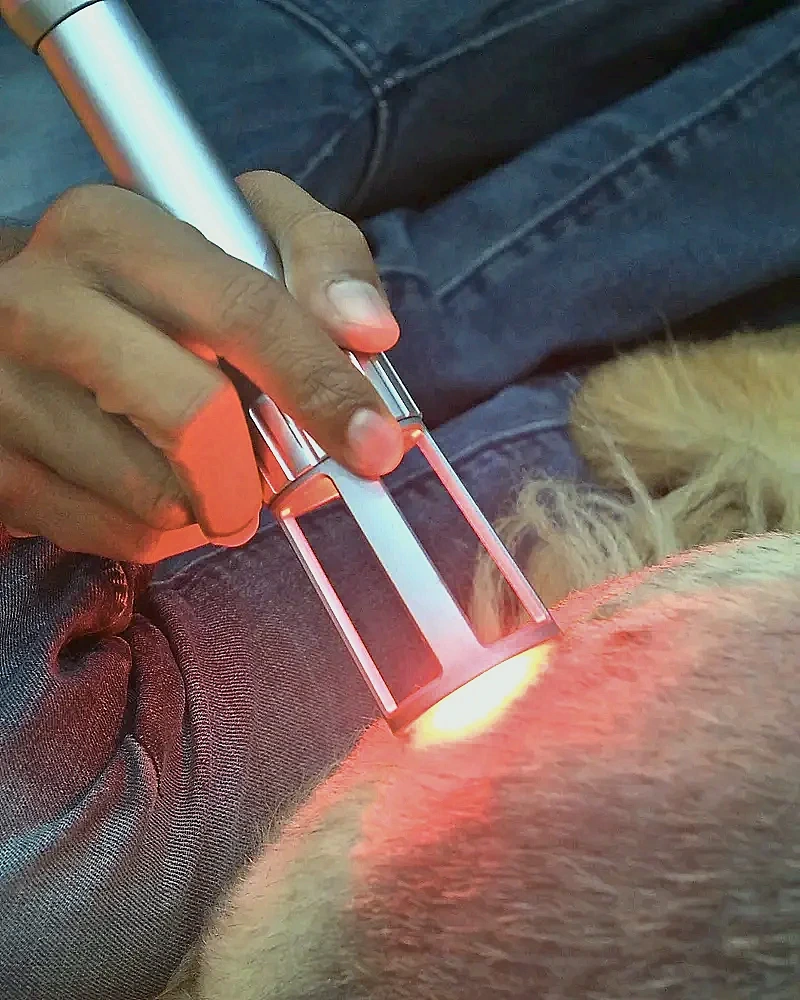
Arthritis
Managing pain and improving joint mobility for aging companions.
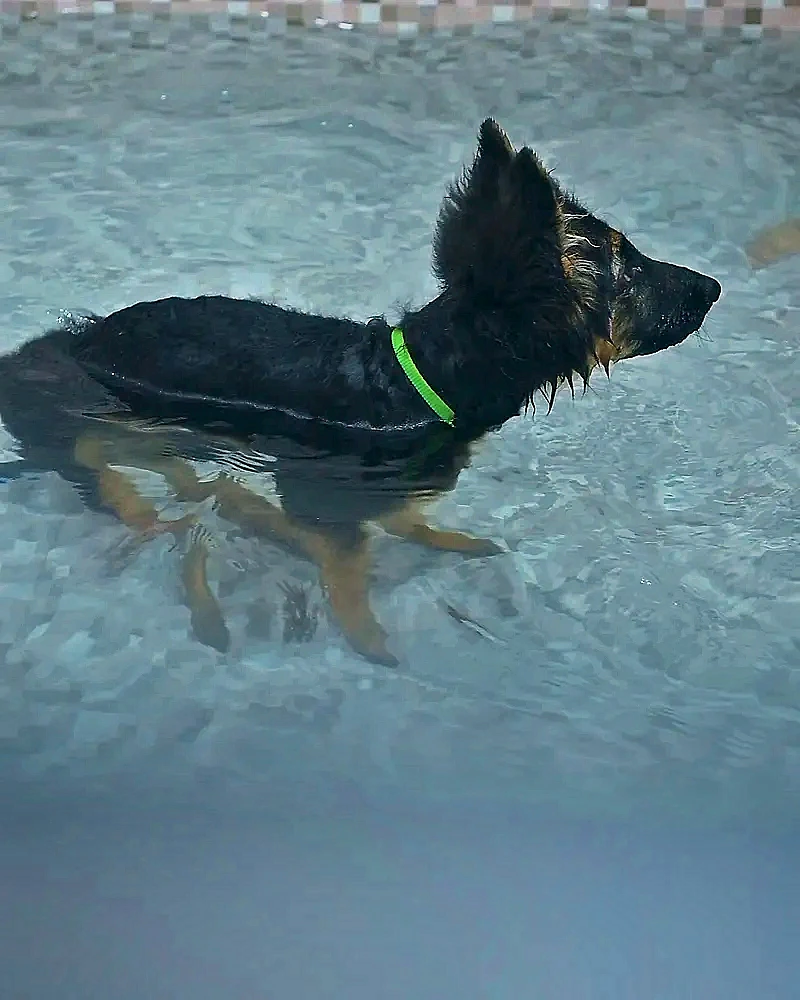
IVDD
Specialized neurological rehabilitation for spinal conditions.
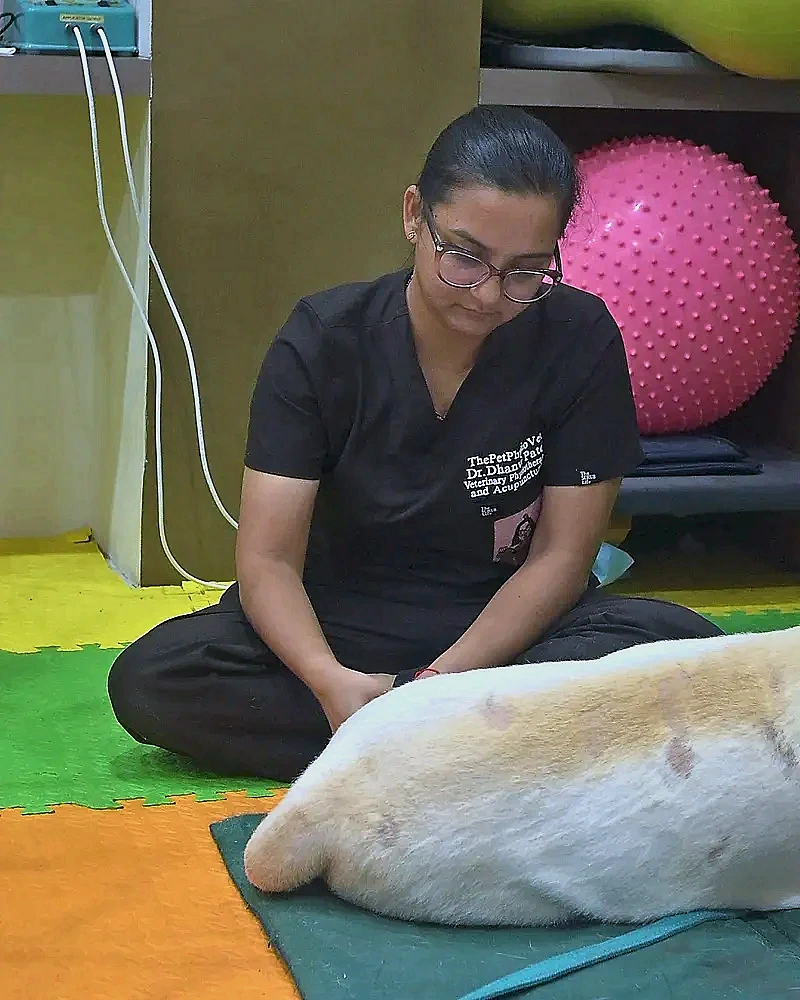
Hip Dysplasia
Strengthening musculature to support and stabilize the hip joints.
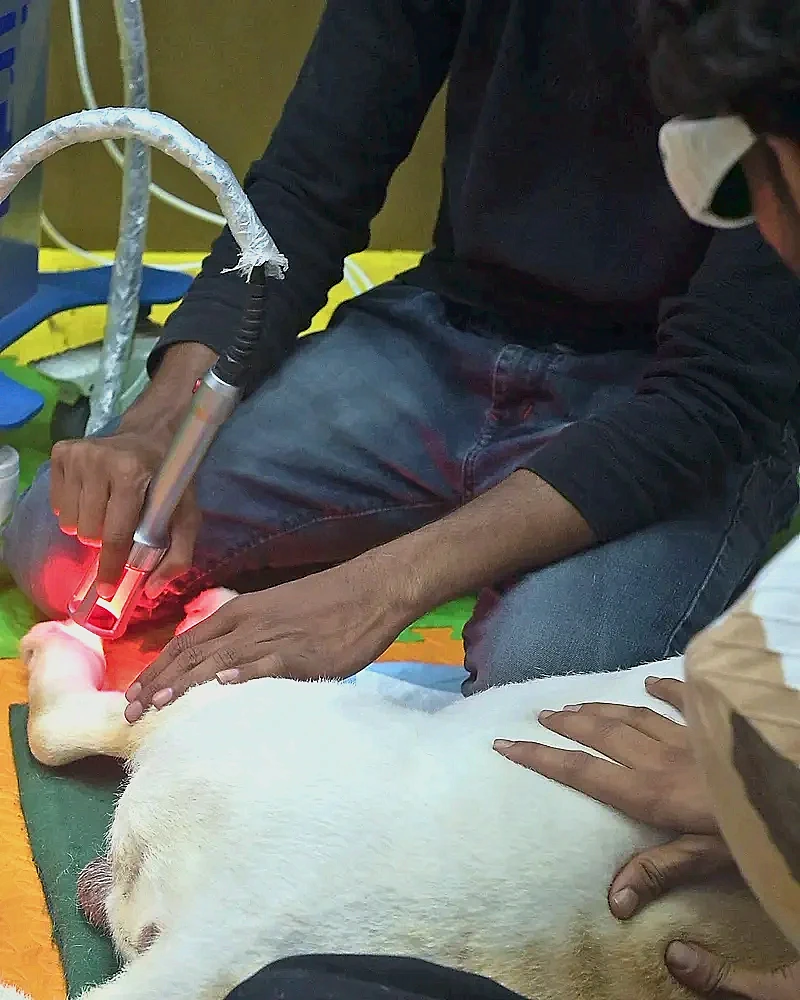
Post Surgical Rehab
Accelerated and safe recovery protocols following orthopedic procedures.
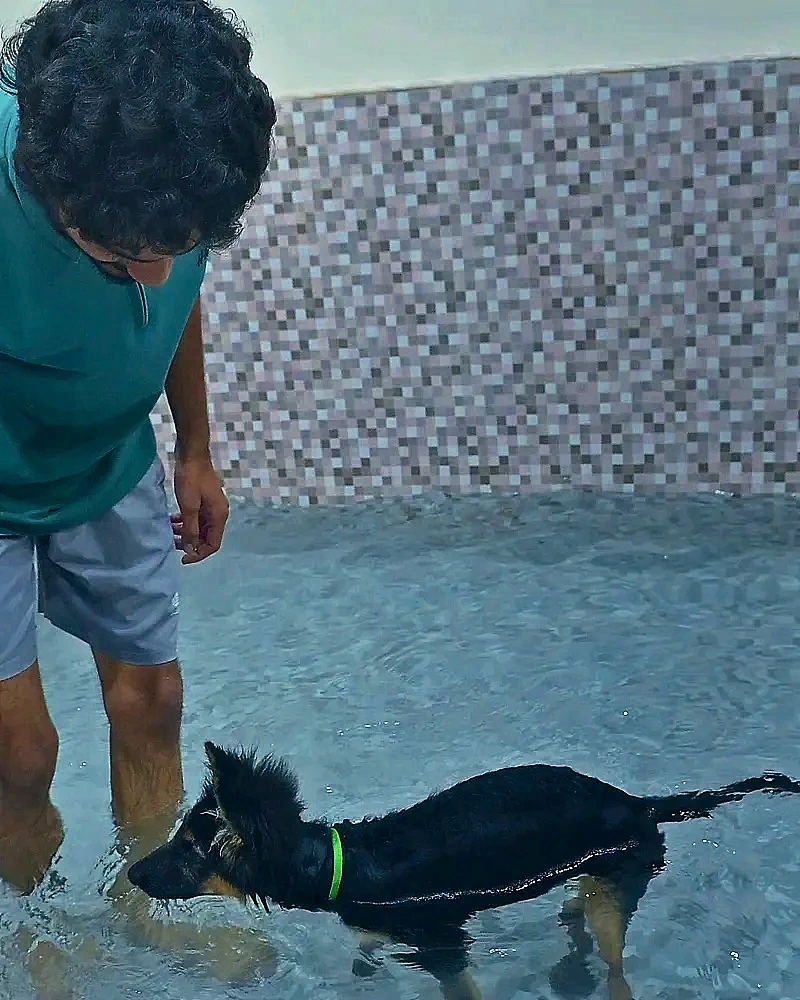
Neurological Recovery
Retraining pathways to restore balance, coordination, and mobility.
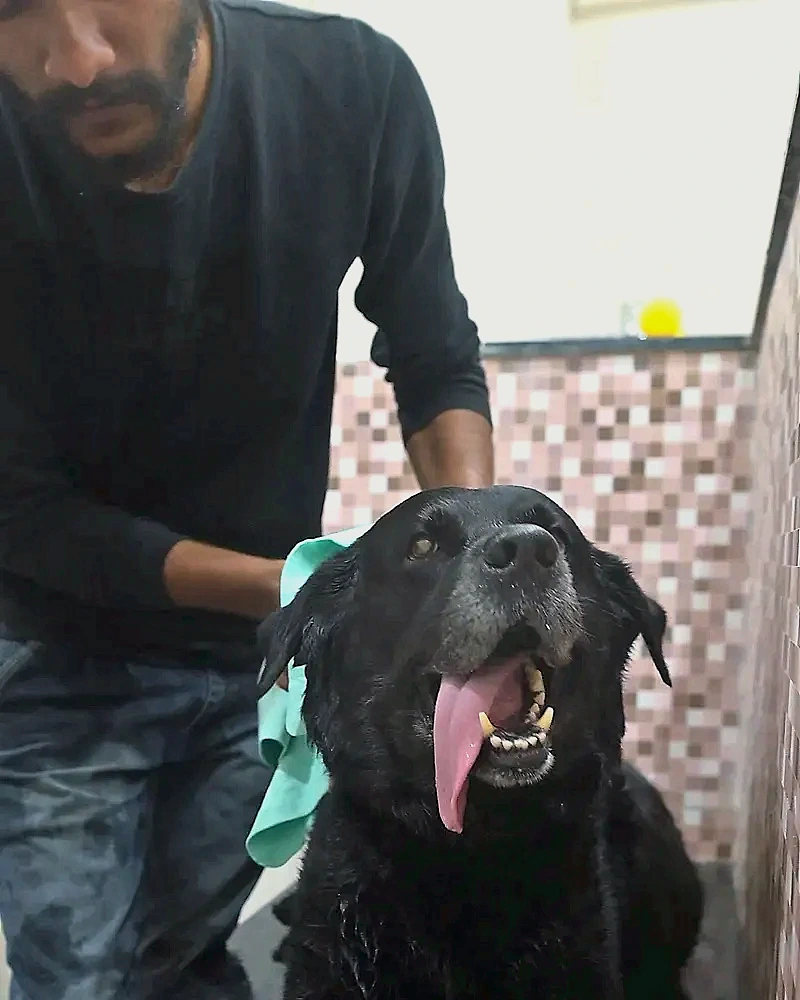
Sports Injury
Targeted recovery plans to get your active dog back to peak performance.
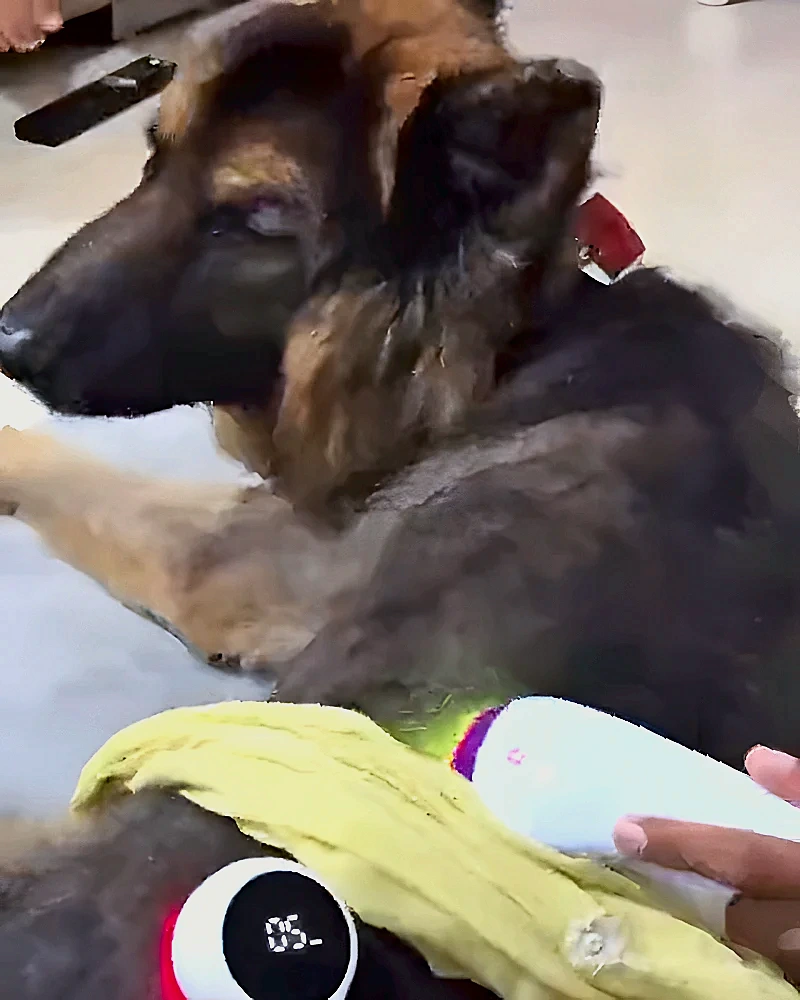
Senior Mobility
Gentle therapies designed to maintain independence and comfort in older age.
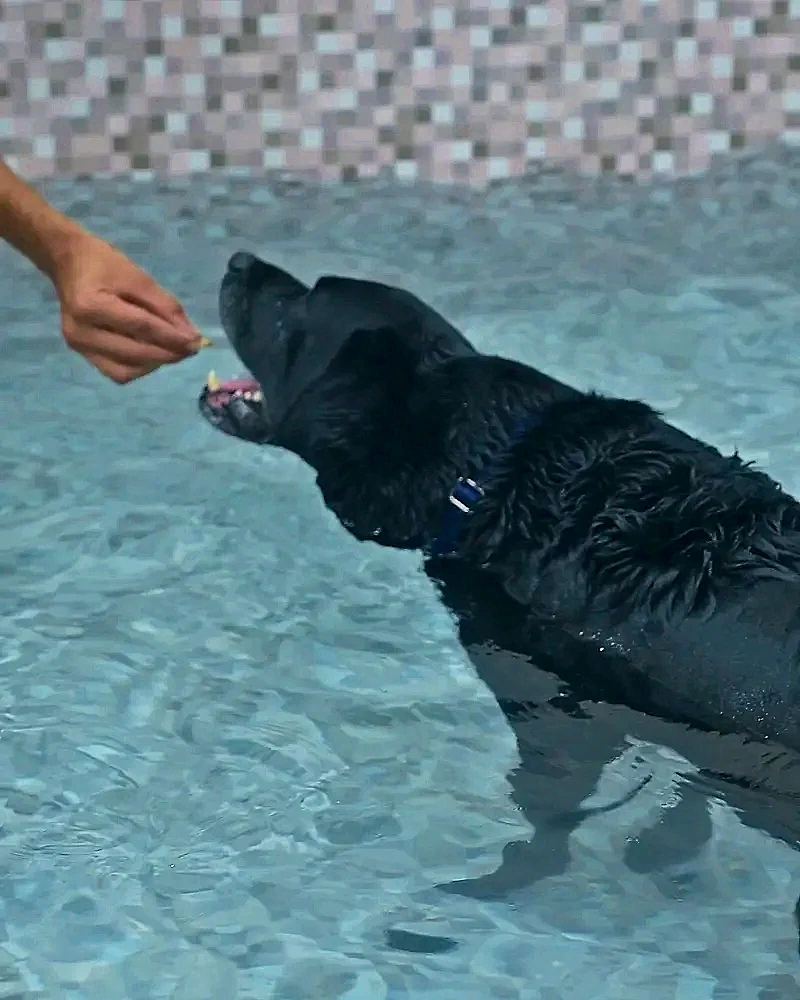
Obesity Rehab
Safe, structured exercise programs for healthy weight management.
Common questions about hydrotherapy
Does my dog need to be able to swim for hydrotherapy?
No. Dogs are introduced to the pool gradually, with a dedicated hydrotherapist in the water alongside them and a flotation aid where it helps. The goal is supported, controlled movement, not strong swimming.
What if my dog is nervous around water?
Your dog is introduced to the indoor pool gradually and never rushed. Treats and praise are used throughout, and you are welcome to stay with your pet. A dog that is not ready is not forced into the water.
How warm is the hydrotherapy pool in Ahmedabad?
The indoor pool is kept lukewarm, at 29 to 31 degrees Celsius (84 to 88 degrees Fahrenheit). Warm water is comfortable for stiff joints and helps muscles relax.
Is hydrotherapy safe after surgery?
It can be, once your surgeon and vet confirm that the incision has healed enough for water. We work with your surgeon, and the timing is set at assessment. Conditions such as open wounds are a reason to wait.
Which conditions is dog hydrotherapy used for?
Water work is part of the plans for IVDD and other spinal conditions, post-surgical recovery, obesity, senior mobility, arthritis, hip dysplasia, neurological recovery and sports injury. Your assessment decides whether it suits your dog.
Do I need a referral for hydrotherapy?
In most cases we ask for a referral from your primary vet so we have your pet's medical history. If you do not have one, call us and we will advise the next step. Bring your own vet's referral notes, X-rays and any surgical reports if you have them, so care can be coordinated safely.